
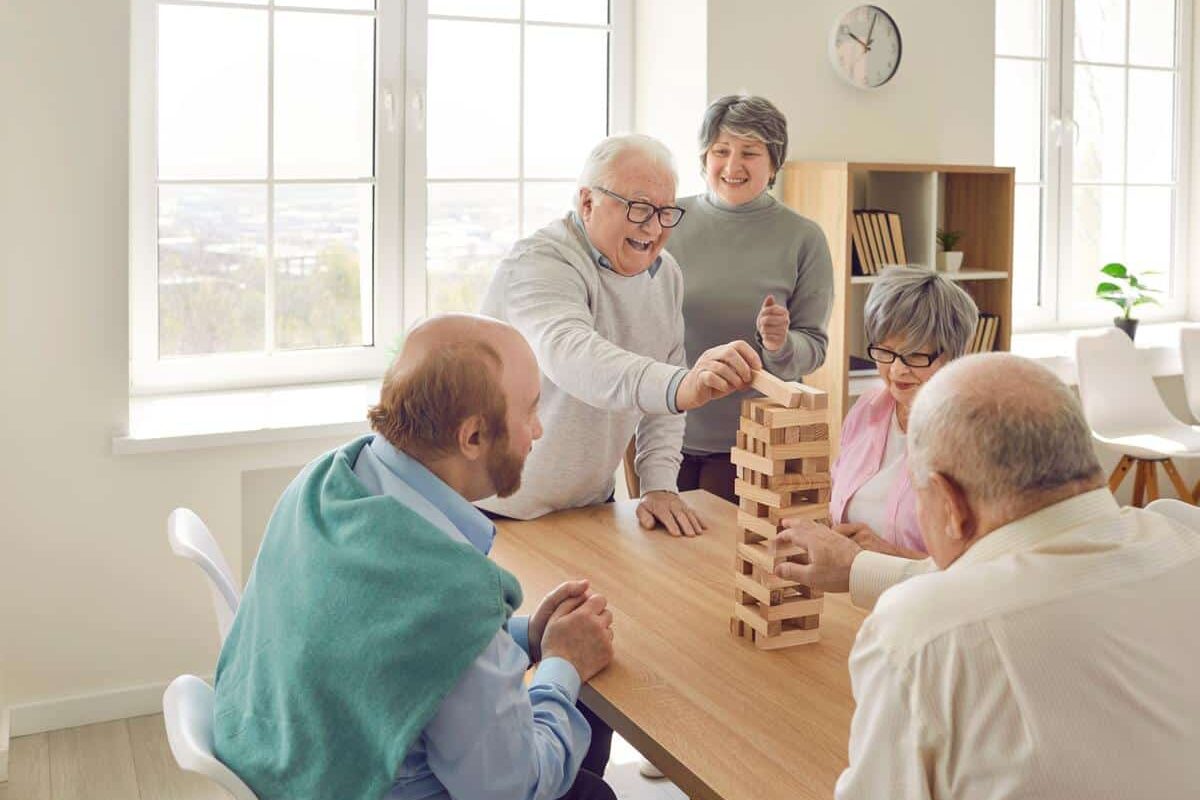
Staying active and engaged becomes even more important after retirement. Social interaction, physical movement, and mental stimulation all contribute to healthy aging and quality of life.
Many older adults in Sheboygan start with senior centers, enjoying periodic programs and activities while maintaining independent lives at home. These centers serve important community functions and work well for many people.
But life circumstances change. What once felt energizing can become difficult to access. The periodic engagement that initially satisfied needs may no longer provide the depth of connection and daily structure that support well-being.
Understanding how activities differ between senior centers and residential communities helps you recognize when your needs might be changing.
What a Sheboygan Senior Center Provides
Senior centers across the country, including the former Senior Activity Center of Sheboygan, offer valuable programs for independent older adults.
According to the National Council on Aging, these centers serve approximately 1 million adults age 50 and older each day across the United States. Women make up roughly 70% of participants. Most members visit once to three times weekly, spending about three hours per visit.
Common senior center offerings include:
- Exercise and fitness classes
- Arts and crafts programs
- Card games and social gatherings
- Educational lectures
- Meal services
- Information about community resources
- Organized trips and outings
These programs provide structure, social opportunities, and engagement for people who are independent with all daily tasks and can drive themselves to participate.
Why Senior Centers Work Well Initially
Senior centers in Sheboygan meet important needs for active older adults.
The benefits include:
- Free or low-cost programming
- Variety of activities to choose from
- Social interaction with peers
- Opportunities to learn new skills
- Physical activity appropriate for various abilities
- Community connections and resources
For someone recently retired and adjusting to new routines, periodic visits to a Sheboygan senior center can provide the engagement and purpose needed while maintaining complete independence at home.
The model works particularly well when you’re healthy, mobile, and energized by managing your own schedule and initiatives.
How Much Activity Do Older Adults Need?
Research consistently shows that regular physical activity, social engagement, and mental stimulation support healthy aging.
Recommendations suggest older adults participate in activities several times per week, combining physical movement, social interaction, and cognitive challenge. Senior centers can absolutely meet these needs for independent adults who can regularly access programs.
The question becomes: what happens when accessing those programs becomes difficult, or when periodic engagement no longer provides sufficient social connection?
Things To Do for Seniors in Sheboygan
Beyond senior centers, Sheboygan offers a wide range of year-round activities for seniors.
During warmer months:
- Bookworm Gardens provides accessible paths through beautifully designed outdoor spaces
- Kohler-Andrae State Park offers nature trails and Lake Michigan beaches
- James Tellen Woodland Sculpture Garden combines art and nature
Year-round Sheboygan activities include:
- Paradigm Coffee and Music for live performances and community gatherings
- Stefanie H. Weill Center for the Performing Arts, featuring concerts and theater
- Art Preserve of the John Michael Kohler Arts Center showcases unique exhibitions
- Aviation Heritage Center of Wisconsin exploring regional sky history
These senior activities in Sheboygan provide enrichment and enjoyment for those who can independently access them.
When Circumstances Change Access
Life changes can make it increasingly difficult to participate in senior centers and community activities.
Common barriers include:
- Driving becomes uncomfortable, especially at night or in winter
- Physical limitations make getting in and out of vehicles challenging
- Weather creates safety concerns during Wisconsin winters
- Energy levels decrease, making full days out exhausting
- Chronic conditions require more frequent rest periods
- Vision or hearing changes make navigating unfamiliar spaces harder
When these changes happen gradually, people often reduce participation without realizing how isolated they’re becoming. The periodic engagement that once satisfied social needs no longer happens frequently enough to maintain well-being.
Other factors that limit engagement:
- Loss of a spouse or friends who provided companionship for activities
- Cooking and household tasks consume energy previously available for outings
- Managing multiple medical appointments leaves less time for enjoyable activities
- Fear of falls or medical emergencies when away from home
These aren’t failures. They’re natural life changes that require different support structures.
How Assisted Living and Memory Care Activities Differ
Assisted living communities create fundamentally different activity experiences through daily engagement rather than periodic visits.
Assisted living provides:
- Activities available seven days per week
- Multiple programs daily at various times
- No transportation required to participate
- Professional programming team
- Social interaction through shared meals
- Casual engagement in common spaces
- Support that enables participation despite physical limitations
Memory care adds:
- Activities designed specifically for cognitive abilities
- Therapeutic programming that maintains dignity
- Secure environments allowing safe participation
- Trained team members who facilitate engagement
- Smaller group settings reducing overstimulation
The frequency and accessibility create different social outcomes. Daily proximity builds genuine friendships rather than acquaintances. Consistency provides structure that supports mental and emotional health.
Activity quality differs, too. Senior centers rely heavily on volunteers or on minimal staffing.
Programming happens when organizers can arrange it.
Residential communities employ professional activity directors who create comprehensive calendars, bring in entertainment, and ensure variety.
Daily Engagement at Countryside Manor
Countryside Manor provides assisted living, memory care, and respite care in Sheboygan, Wisconsin. Our activity programming creates daily opportunities for engagement without requiring you to arrange transportation or navigate winter weather.
Residents enjoy activities ranging from ball drumming sessions to creative crafts and so much more:
- Daily exercise groups keep bodies moving
- Live entertainment brings joy and variety
- Spa days provide relaxation and pampering
- Lunch outings help neighbors become friends
These aren’t occasional events requiring advance planning. They’re part of regular life here.
Social interaction happens naturally through shared meals, common spaces designed for gathering, and neighbors who become genuine friends. The depth of connection differs from periodic visits to senior centers because daily proximity creates real community.
For residents with Alzheimer’s or another form of dementia, our memory care programming provides therapeutic activities designed around cognitive abilities. Team members facilitate engagement that maintains dignity and purpose.
Frequently Asked Questions
Many assisted living residents maintain memberships at local senior activity centers and attend programs there. Communities often provide transportation to centers for residents wanting that additional engagement.
Both provide fitness classes, crafts, games, and entertainment. The difference is frequency, accessibility, and social continuity. Assisted living offers daily options without requiring transportation, and relationships deepen through constant proximity.
Assisted living doesn’t eliminate independence. It removes barriers preventing you from enjoying activities and social engagement. You choose which programs to attend and maintain control over your schedule.
From Periodic to Daily
Senior centers serve important functions for independent older adults. Residential communities create different experiences through daily engagement and built-in social structure. Understanding these differences helps you recognize when your needs might benefit from more consistent support and deeper connections.
Experience Daily Community Near You
Countryside Manor welcomes you to visit our community, join us for activities, meet residents, and see how daily engagement differs from periodic programming. Contact us to arrange a visit with our team.